


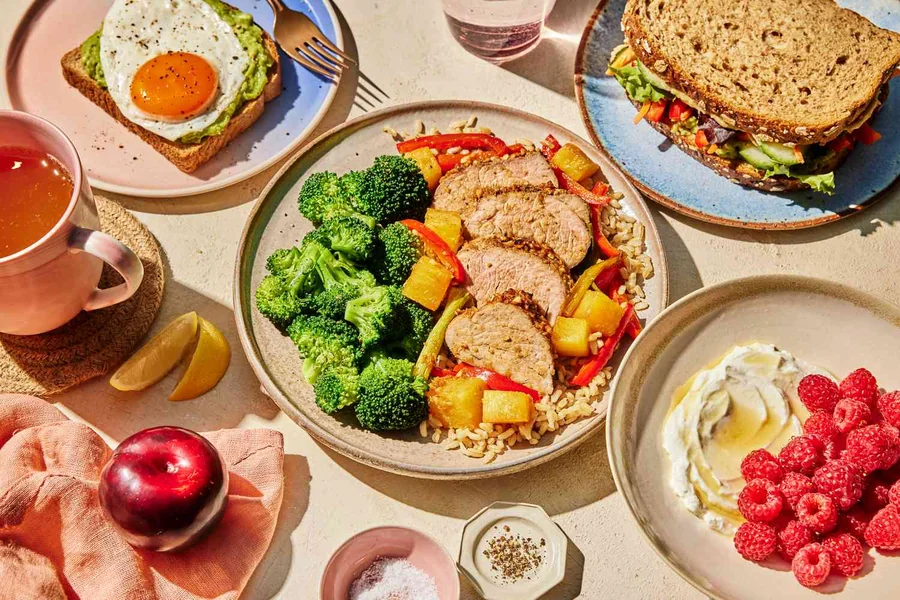
Losing weight does not mean starving yourself or following extreme diets. The most effective approach is eating balanced meals that provide the nutrients your body needs while creating a moderate calorie deficit. A healthy meal plan helps control hunger supports metabolism and provides steady energy throughout the day.
Whether your goal is to lose a few pounds or maintain a healthier lifestyle this guide offers a simple meal plan along with practical nutrition tips that are easy to follow.
Why a Healthy Meal Plan Is Important
A structured meal plan helps you make better food choices and reduces the temptation to eat unhealthy snacks or fast food.
Benefits include:
- Better portion control
- Improved nutrition
- Steady energy levels
- Reduced cravings
- Easier weight management
- Better digestion
- Long-term healthy eating habits
Consistency is more important than perfection. Small healthy choices every day lead to lasting results.
Foods to Include in Your Diet
Focus on whole and minimally processed foods that are rich in nutrients.
Choose plenty of:
- Fresh vegetables
- Fruits
- Whole grains
- Lean chicken
- Fish
- Eggs
- Beans and lentils
- Greek yogurt
- Nuts and seeds
- Healthy fats such as olive oil and avocado
These foods help keep you full while supporting overall health.
Foods to Limit
Reducing certain foods can make weight loss easier without eliminating everything you enjoy.
Limit:
- Sugary drinks
- Candy
- Fried foods
- Highly processed snacks
- White bread
- Pastries
- Fast food
- Excessive alcohol
Enjoy these occasionally rather than making them daily habits.
Sample Healthy Meal Plan
Breakfast
Choose one of these options:
- Oatmeal topped with fresh berries and almonds
- Greek yogurt with banana and chia seeds
- Whole grain toast with avocado and a boiled egg
- Vegetable omelet with whole grain toast
A balanced breakfast provides lasting energy and reduces midmorning hunger.
Mid Morning Snack
Healthy snack ideas include:
- Apple with peanut butter
- Handful of mixed nuts
- Low fat yogurt
- Carrot sticks with hummus
Snacks should satisfy hunger without adding excessive calories.
Lunch
Healthy lunch options:
- Grilled chicken with brown rice and steamed vegetables
- Quinoa salad with chickpeas cucumbers tomatoes and olive oil
- Turkey sandwich on whole grain bread with salad
- Lentil soup with mixed vegetables
Aim to include lean protein vegetables and whole grains in every lunch.
Afternoon Snack
Choose light nutritious snacks such as:
- Cottage cheese with fruit
- Mixed berries
- Boiled eggs
- Celery with natural peanut butter
These snacks help prevent overeating at dinner.
Dinner
Healthy dinner ideas:
- Baked salmon with roasted vegetables
- Grilled chicken breast with sweet potato and broccoli
- Stir fried tofu with mixed vegetables and brown rice
- Turkey meatballs with whole wheat pasta and tomato sauce
Keep dinner balanced while avoiding oversized portions.
Evening Snack
If you feel hungry before bed choose something light.
Examples include:
- Plain yogurt
- Small banana
- Herbal tea
- A few almonds
Avoid sugary desserts late at night.
Portion Control Tips
Even healthy foods should be eaten in appropriate amounts.
Helpful strategies include:
- Use smaller plates.
- Eat slowly.
- Stop eating when comfortably full.
- Measure portions when learning healthy serving sizes.
- Avoid eating directly from large packages.
Mindful eating often reduces unnecessary calorie intake.
Stay Hydrated
Water plays an important role in weight loss.
Benefits include:
- Supporting digestion
- Helping control appetite
- Improving exercise performance
- Maintaining energy levels
Aim to drink water throughout the day and choose water instead of sugary beverages whenever possible.
Combine Healthy Eating with Exercise
Nutrition works best when combined with regular physical activity.
Good options include:
- Walking
- Cycling
- Swimming
- Strength training
- Yoga
- Jogging
Aim for at least 150 minutes of moderate exercise each week along with two days of strength training.
Common Weight Loss Mistakes
Avoid these common mistakes that can slow progress:
- Skipping meals
- Following extremely restrictive diets
- Drinking too many sugary beverages
- Ignoring portion sizes
- Sleeping too little
- Expecting instant results
Healthy weight loss is gradual and sustainable.
Tips for Long Term Success
Maintaining healthy habits is the key to lasting results.
Helpful strategies include:
- Plan meals in advance.
- Prepare healthy snacks.
- Shop with a grocery list.
- Cook more meals at home.
- Keep healthy foods easily available.
- Allow occasional treats in moderation.
- Track your progress without becoming obsessed with the scale.
Building healthy habits is more effective than relying on short-term diets.
Final Thought
A healthy meal plan for weight loss is not about strict rules or eliminating your favorite foods. It is about choosing nutritious meals balancing portions and creating habits that you can maintain for years. By eating more whole foods staying hydrated exercising regularly and practicing consistency you can lose weight while improving your overall health and well-being.
Remember that every small healthy choice brings you one step closer to your goals.
Frequently Asked Questions
What is the best breakfast for weight loss?
Oatmeal Greek yogurt eggs and whole grain toast with healthy toppings provide protein fiber and lasting energy.
How many meals should I eat each day?
Most people do well with three balanced meals and one or two healthy snacks depending on their hunger and activity level.
Can I lose weight without giving up carbohydrates?
Yes. Choose healthy carbohydrates such as whole grains fruits vegetables and legumes while controlling portion sizes.
How much water should I drink while trying to lose weight?
Many adults benefit from about 2 to 3 liters of water daily though individual needs vary based on activity level climate and health.
How quickly can I lose weight safely?
A gradual weight loss of about 0.5 to 1 kilogram per week is generally considered safe and sustainable for most adults.
